The first 12 weeks of pregnancy are the most uncertain — body changes happen faster than information arrives, and every twinge feels like it might mean something. Most of the time, it doesn't. But occasionally, it does. Here's the practical guide we share with our patients on what's normal, what's worth a phone call, and what's an emergency.
Why the first trimester feels intense
Pregnancy hormones — particularly hCG and progesterone — rise rapidly in the first weeks. They cause most of the early symptoms: nausea, breast tenderness, fatigue, frequent urination, mood swings, occasional spotting. None of this means anything is wrong; it usually means everything is right.
The same hormones also create real anxiety. After fertility treatment especially, every symptom is examined for meaning. The information below is meant to reduce that — not eliminate it (no information can do that fully) but make it more proportionate.
Symptoms you can relax about
- Nausea and vomiting — affects 70-80% of pregnancies. Usually peaks at 8-10 weeks, eases by 14-16. Severity doesn't predict outcomes.
- Breast tenderness — often the first symptom; persists through the trimester.
- Fatigue — sometimes severe. Your body is doing a huge amount of work invisibly.
- Frequent urination — from week 6 onwards. Don't restrict fluids to manage it.
- Mild lower-abdominal cramping — without bleeding, usually from uterine growth or ligament stretching.
- Light spotting — affects 20-30% of pregnancies, particularly in the first 6-8 weeks. Often implantation-related or harmless. Worth reporting but rarely an emergency.
- Constipation — progesterone slows gut motility. More fluids, fibre, mild exercise.
- Heightened sense of smell, food aversions, strange tastes — all hormonal, all temporary.
- Mood changes — emotional ups and downs are physiological, not a personality issue.
Symptoms worth a phone call (not panic — call us)
- Bleeding that's heavier than spotting — bright red, soaks a pad in an hour, or accompanied by cramping.
- Severe one-sided pelvic pain, especially with bleeding — needs to rule out ectopic pregnancy.
- Severe nausea/vomiting — inability to keep down liquids for more than 12 hours (hyperemesis gravidarum).
- Burning urination or fever — likely UTI, common in pregnancy, treatable.
- Sudden, dramatic decrease in pregnancy symptoms — usually nothing, but worth a scan if it persists.
- Significant cramping with or without bleeding.
- Severe headache, visual changes — could be early hypertensive issues.
- Calf pain or swelling on one side — pregnancy raises clot risk.
When to go to emergency, not wait
- Heavy bleeding with clots
- Severe pelvic or abdominal pain that's worsening
- Dizziness, fainting, or signs of shock
- Sudden severe shortness of breath
- Vomiting blood
The minimum first-trimester workup
By your first or second antenatal visit, expect to have:
- Complete blood count, blood group + Rh, HIV, HBsAg, VDRL, thyroid panel, blood sugar, urine routine
- Folic acid supplementation confirmed (400-800 μg daily, started before conception ideally)
- Iron, calcium and vitamin D as needed
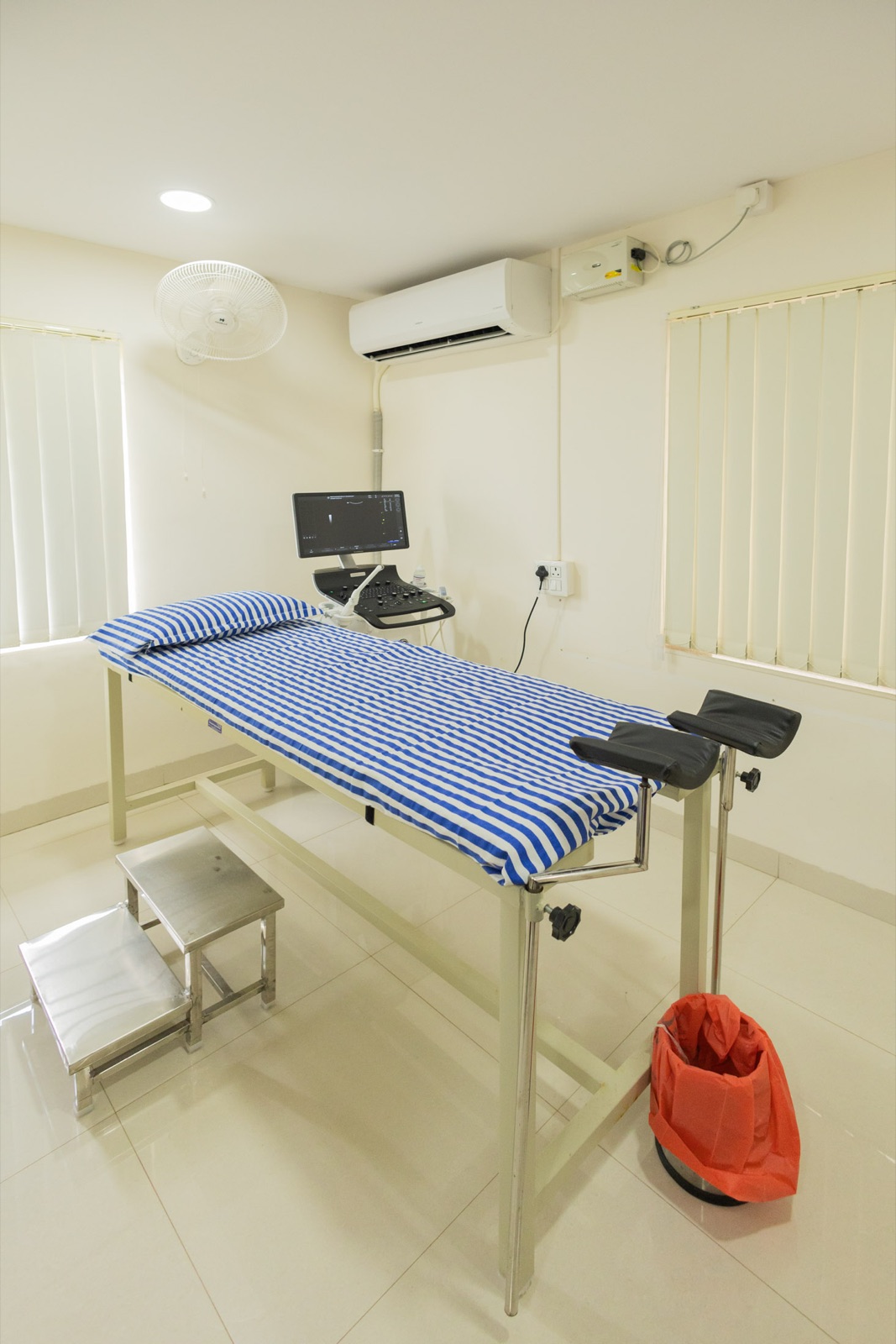
- An early dating scan around 6-7 weeks — confirms intrauterine pregnancy and heartbeat
- Discussion of nutrition, weight gain expectations, exercise
- NT scan + first-trimester screening at 11-13.6 weeks for chromosomal risk
- Optional: NIPT (non-invasive prenatal testing) for higher-risk pregnancies
Lifestyle in the first trimester
- Eat regularly, even with nausea — small frequent meals work better than three big ones. Ginger and lemon help some women.
- Stay hydrated — 2.5-3 litres per day. Sipping is easier than chugging.
- Continue light-to-moderate exercise if you were active pre-pregnancy. Walking, prenatal yoga, swimming — all great. Avoid contact sports, deep abdominal work, and risk of falls.
- Sleep on your side from second trimester onwards — first trimester position doesn't matter much.
- No alcohol, no smoking, no recreational drugs. Limit caffeine to one cup a day. Avoid raw/uncooked meats, unpasteurised dairy, and high-mercury fish.
- Cosmetics, hair colour, fragrance — most are fine. Avoid retinoids (in some skincare), certain essential oils, and excessive use of strong chemicals.
The emotional first trimester
Anxiety is overwhelmingly common — especially in pregnancies after fertility treatment or pregnancy loss. We see patients who are happy and afraid at the same time. That's normal. Speak to us about it, lean on your partner, consider light counselling if it interferes with your daily life. There is no "right" way to feel pregnant.
One question patients always ask: "Should I tell people I'm pregnant?" The convention is to wait until 12 weeks because miscarriage risk drops significantly after that. But that's your choice. If telling supportive people earlier helps you, do that. If keeping it private helps you, do that.
Calling us — when in doubt
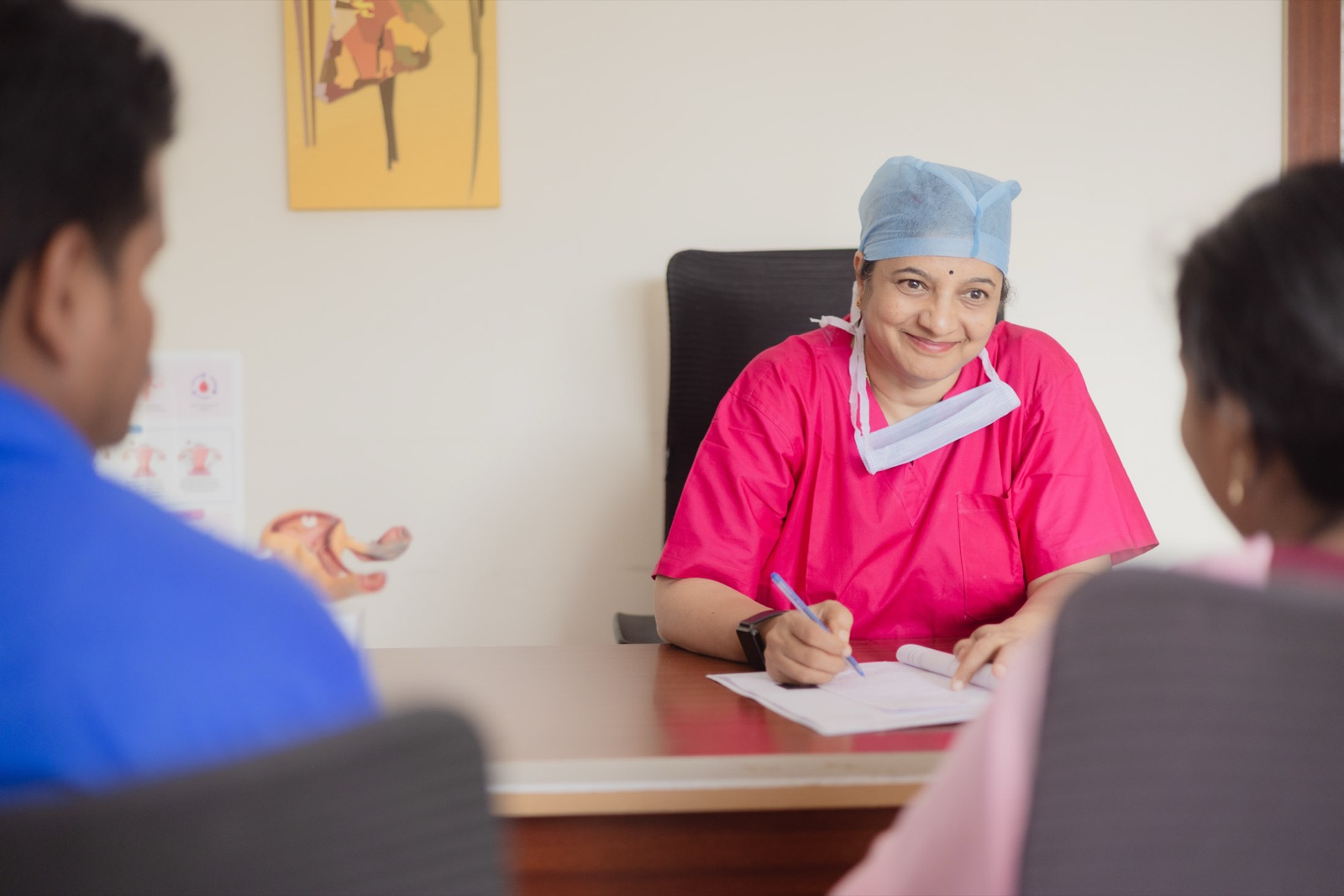
We'd much rather get a phone call about something minor than miss something major. If a symptom is worrying you, call. We'll either reassure you, ask you to come in for a quick check, or escalate if needed. We do not penalise patients for "asking too many questions" — that's literally what we're for.
If you've recently conceived after fertility treatment with us, we typically follow you through the first trimester closely, then transition (or continue) into full obstetric care depending on your situation. You're not alone in this; you have a team.