Polycystic Ovary Syndrome affects roughly 1 in 10 women of reproductive age — yet most women I see in clinic with PCOS were either undiagnosed for years, or told as a teenager that "irregular periods are normal" and left to figure it out alone. They aren't. PCOS isn't dangerous in the short term, but unmanaged, it raises the lifetime risk of diabetes, cardiovascular disease, infertility and endometrial cancer. Knowing the signs is the first step.
Here are the 9 most common PCOS symptoms — including the subtle ones you might not connect to a hormonal condition.
1. Irregular or absent periods
The most classic sign. Cycles that consistently run shorter than 21 days, longer than 35, or that disappear for months at a time often mean ovulation isn't happening reliably. Skipping a period occasionally is normal. Skipping every other one isn't.
If you've been "tracking" cycles for years and never know when one will come, this is worth investigating regardless of any other symptom.
2. Difficulty getting pregnant
PCOS is one of the most common causes of female infertility — but also one of the most treatable. The mechanism is straightforward: irregular ovulation means fewer chances per year to conceive. With ovulation induction medication and lifestyle support, the vast majority of women with PCOS who want a baby will have one.
3. Excessive facial or body hair (hirsutism)
Coarse, dark hair growing in a male-pattern distribution — chin, upper lip, chest, abdomen, lower back — is caused by elevated androgen (male hormone) levels. South Asian women are genetically more prone to hirsutism even at lower androgen levels, so this sign matters even when subtle.
4. Persistent adult acne
Acne in your 20s, 30s and beyond — particularly along the jawline, chin and chest — is a common androgen-driven feature. If you're being treated for "just acne" and your cycles are also irregular, the underlying cause may be hormonal, not dermatological.
5. Weight gain that's hard to lose
PCOS is closely linked with insulin resistance — your body's cells don't respond well to insulin, leading to elevated blood sugar and a tendency to store fat (especially around the abdomen). The result: weight comes on easily, comes off slowly, and standard diet advice often fails.
The reverse is also true: even a modest 5-10% weight loss can dramatically improve PCOS symptoms, restore ovulation, and lower future diabetes risk. Treatment for the metabolic side of PCOS is genuinely game-changing.
6. Hair thinning on the scalp
Female-pattern hair loss — gradual thinning along the crown and parting line — can be an androgen-driven feature of PCOS. It's distressing and often dismissed as "just stress" or "genetics". Both can contribute, but a hormonal evaluation is worth doing.
7. Dark patches of skin (acanthosis nigricans)
Velvety, dark thickening of skin in the neck folds, armpits, or groin is a strong sign of insulin resistance. Many women cover it up with concealer for years before realising it's a medical sign. If you have this with any other symptom on this list, please get a blood glucose test done.
8. Mood changes and low energy
PCOS is associated with higher rates of anxiety and depression, partly due to hormonal effects and partly due to living with chronic symptoms. Low energy, brain fog, and disrupted sleep (especially sleep apnea, which is more common in PCOS) are all worth taking seriously.
9. The "I just don't feel right" symptom
Sometimes the most important sign is a vague sense that something is off — periods aren't behaving normally, your body has changed, your skin is different, you're more tired than your friends. Trust that. We can usually rule PCOS in or out with one consultation, a hormonal panel, and an ultrasound.
How PCOS is actually diagnosed
The international standard is the Rotterdam criteria — you need two of these three:
- Irregular or absent ovulation (typically reflected in irregular periods)
- Clinical or biochemical signs of high androgens (acne, hirsutism, hair loss, or elevated androgen blood levels)
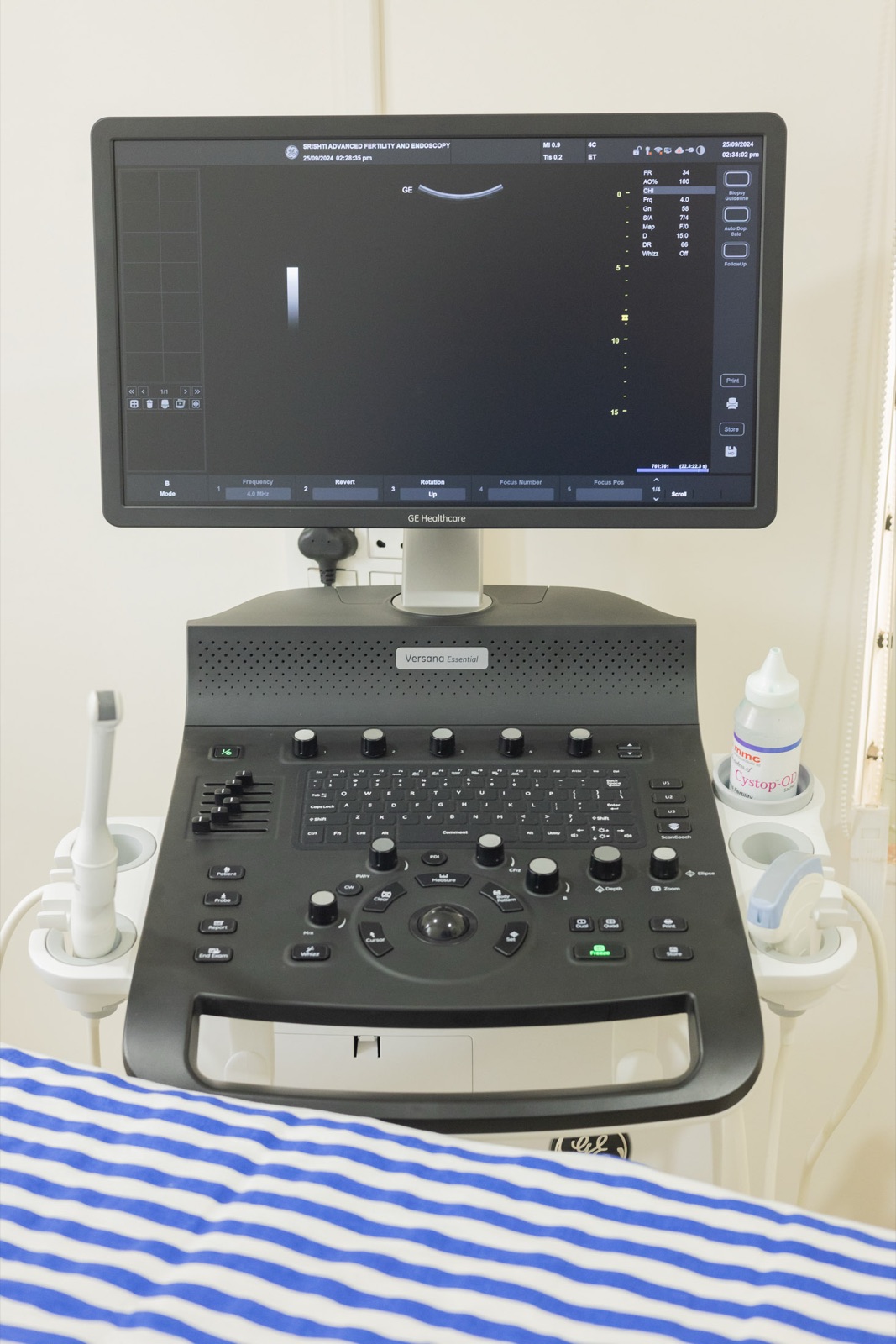
- Polycystic ovarian morphology on ultrasound — 12 or more small follicles on at least one ovary
Note: you don't need to have visible "cysts" on the ovary to have PCOS. The name is misleading. Many women with full-blown PCOS have normal-looking ovaries on scan; many with "polycystic-looking" ovaries don't have the syndrome at all.
What PCOS is not. It's not a personality failure. It's not caused by eating sugar. It's not a sign that you'll never have a baby. It's a manageable hormonal condition that responds well to consistent care.
What we actually do about it
Treatment is layered. We start with the simplest things and add complexity only when needed:
- Lifestyle foundation — diet (low glycemic, balanced protein), movement, sleep, stress. This alone resolves symptoms for some women.
- Insulin sensitisers like metformin — if insulin resistance is significant.
- Cycle regulators — combined oral contraceptives, progestins, or other hormonal options if cycles need to be regular and pregnancy isn't currently desired.
- Fertility-specific treatment — ovulation induction (letrozole or clomiphene), sometimes IUI, rarely IVF.
- Skin and hair management — topical/oral options for acne, electrolysis or laser for hirsutism, minoxidil for hair loss.
The full PCOS treatment plan we use at Srishti SAFE lays this out in more detail.
If you recognised yourself in this list
You don't need three symptoms to consult. One that bothers you is enough. A single appointment can confirm or rule out PCOS in most cases — and even if it's something else, we'll find what's actually going on.
The earlier we manage PCOS, the smaller the long-term consequences. That's the real reason to take the symptoms seriously now.